Clay…Small Forms, Big Worlds

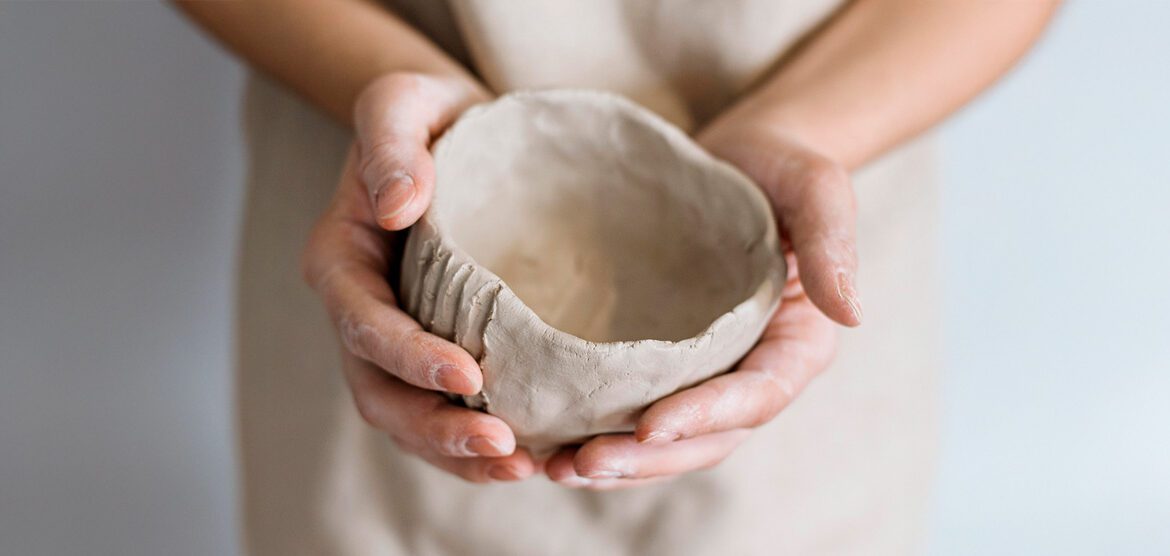
From the Paleolithic caves to today’s creative studios, clay has always been more than just a material — it’s been a way to express ourselves, hold memories, and imagine new worlds. Thousands of years ago, people shaped figures from the earth to capture gods, heroes, everyday moments, and meaningful symbols that have lasted through time.
The earliest female figurines — the famous prehistoric “Aphrodites” — were small, curvy clay forms. They weren’t toys; they were sacred objects, symbols of fertility, strength, and connection to something greater. Even now, thousands of years later, our desire to shape the world with our hands hasn’t changed. Only the tools we use have.
Polymer clay might be a modern material, but the miniatures created with it still carry that same ancient magic — the magic of bringing ideas to life.
There’s something special about tiny creations. Miniatures open windows to imaginary worlds. A figure isn’t just decoration — it’s a story frozen in time. A smile, a pose, an idea captured in just a few centimeters.
In that small space can fit a childhood memory, a relationship, a protective symbol, or a simple declaration of love. Polymer clay, with its flexibility and vibrant colors, becomes the perfect way to bring these moments to life.
Many see it as a tool for crafts, jewelry, or decoration. But really, polymer clay — like any material worked by hand — becomes an extension of the artist.
When a clay figure is gifted, cherished, or custom-made, it carries a connection. It’s not the material that matters most — it’s the meaning behind it.
Making small figures from polymer clay is a modern way to fulfill a very old human need: to leave a mark. To capture our gaze, our feelings, our everyday life, or even our dreams.
Every handmade figure is a little work of art — full of personality, character, and presence.
From the hands of creators to the homes of those who cherish them, the quiet tradition of touch, care, and memory goes on.